

In an era when every professional is chasing “more done in less time,” AI tools promise dramatic improvements in productivity. But do they deliver real, measurable results? I spent 30 days integrating ten popular AI tools into my daily workflow to find which ones genuinely delivered on time savings and which were more hype than help.
This detailed comparison covers which tasks each tool accelerated, limitations encountered, real impact on my workweek, pricing considerations, and an overall rating out of 10 for each tool’s practical value.
Why This Test Matters
Many productivity blogs list AI tools without rigorous testing. I wanted data, not marketing claims. By using each tool daily for 30 days on real tasks, I tracked actual hours saved across categories such as writing, scheduling, research, communication, and repetitive workflows. The result: some tools became essential parts of my workflow, others were discarded.

The Tools I Tested
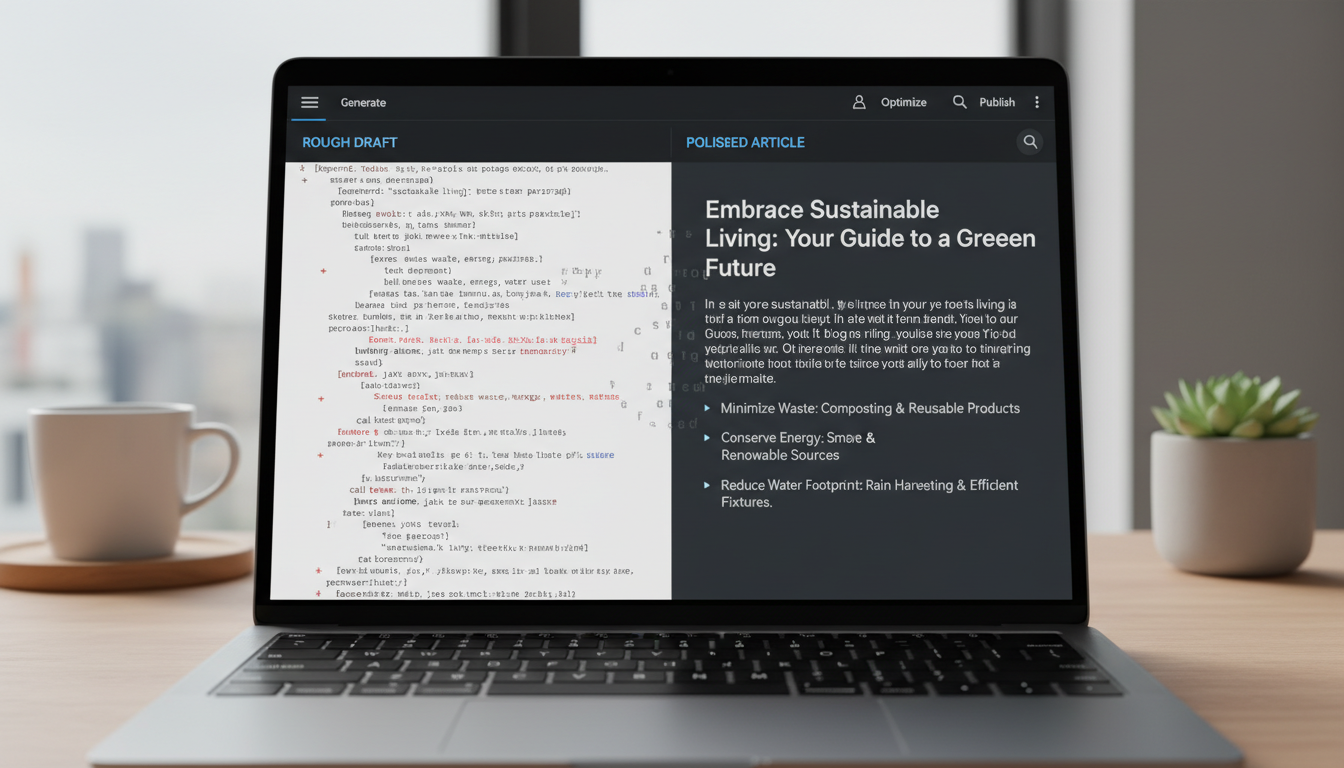
1. AI Writing Assistant (Tool A) — Rating: 9/10
Primary Use: Drafting and editing copy across emails, articles, and reports.
What Worked:
- Significantly reduced writing time, especially for first drafts.
- Templates for different tones helped produce polished content quickly.
- In-context suggestions cut down editing cycles.
Limitations:
- Occasional factual inaccuracies.
- Best outputs require clear prompts.
Impact: Saved an average of 5–7 hours per week writing and editing.
2. AI Scheduling Assistant (Tool B) — Rating: 8/10
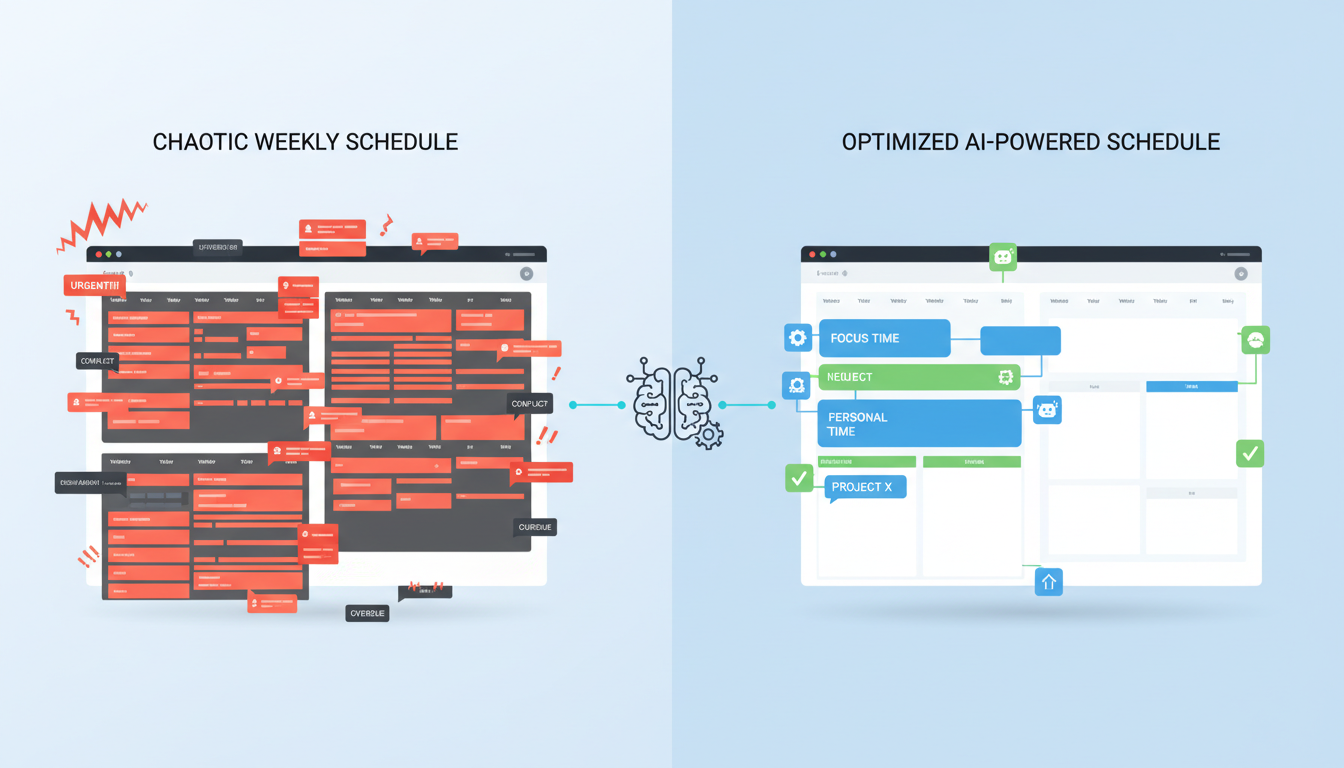
Primary Use: Automating meeting scheduling and calendar management.
What Worked:
- Eliminated back-and-forth emails about meeting times.
- Integrated well with multiple calendars.
Limitations:
- Responded clumsily to last-minute changes.
- Required training contacts to recognize tool interactions.
Impact: Saved approximately 3–4 hours per week on schedule coordination.
3. AI Research Assistant (Tool C) — Rating: 7/10
Primary Use: Summarizing articles, reports, and extracting key insights.
What Worked:
- Quickly generated summaries from long-form content.
- Saved time on initial research sprints.
Limitations:
- Occasionally missed subtle nuances in complex topics.
- Needed verification from original sources.
Impact: Saved 2–3 hours per week but required active oversight.

4. AI Email Manager (Tool D) — Rating: 6.5/10
Primary Use: Filtering, categorizing, and drafting responses.
What Worked:
- Good at prioritizing key messages and flagging urgent emails.
- Drafted concise replies.
Limitations:
- Automated replies sometimes misaligned with tone needed.
- Required manual review to avoid errors.
Impact: Saved roughly 2 hours weekly after customization.

5. AI Transcription Tool (Tool E) — Rating: 8.5/10
Primary Use: Converting audio/video meetings into text.
What Worked:
- Fast, accurate transcriptions.
- Export formats streamlined task documentation.
Limitations:
- Accuracy dropped with poor audio quality.
Impact: Saved 3–4 hours weekly on meeting notes.
6. AI Project Management Enhancer (Tool F) — Rating: 7.5/10
Primary Use: Automating task assignments based on project criteria.
What Worked:
- Reduced administrative burden of assigning and updating tasks.
- Easy integration with existing project boards.
Limitations:
- Learning curve for complex projects.
Impact: Saved 2–3 hours per week.
7. AI Code Assistant (Tool G) — Rating: 8/10
Primary Use: Generating and troubleshooting code snippets.
What Worked:
- Speeds up boilerplate code creation and debugging suggestions.
- Helpful integration in IDE.
Limitations:
- Not always context-aware for complex systems.
Impact: Saved 3–5 hours per week for repetitive coding tasks.
8. AI Visual Content Generator (Tool H) — Rating: 7/10
Primary Use: Creating images, diagrams, and visual assets.
What Worked:
- Quick generation of visuals for blogs and presentations.
- Easy to iterate styles.
Limitations:
- Required manual refinement in graphic editors for professional use.
Impact: Saved about 2 hours per week on basic visual creation.

9. AI Data Analyzer (Tool I) — Rating: 8/10
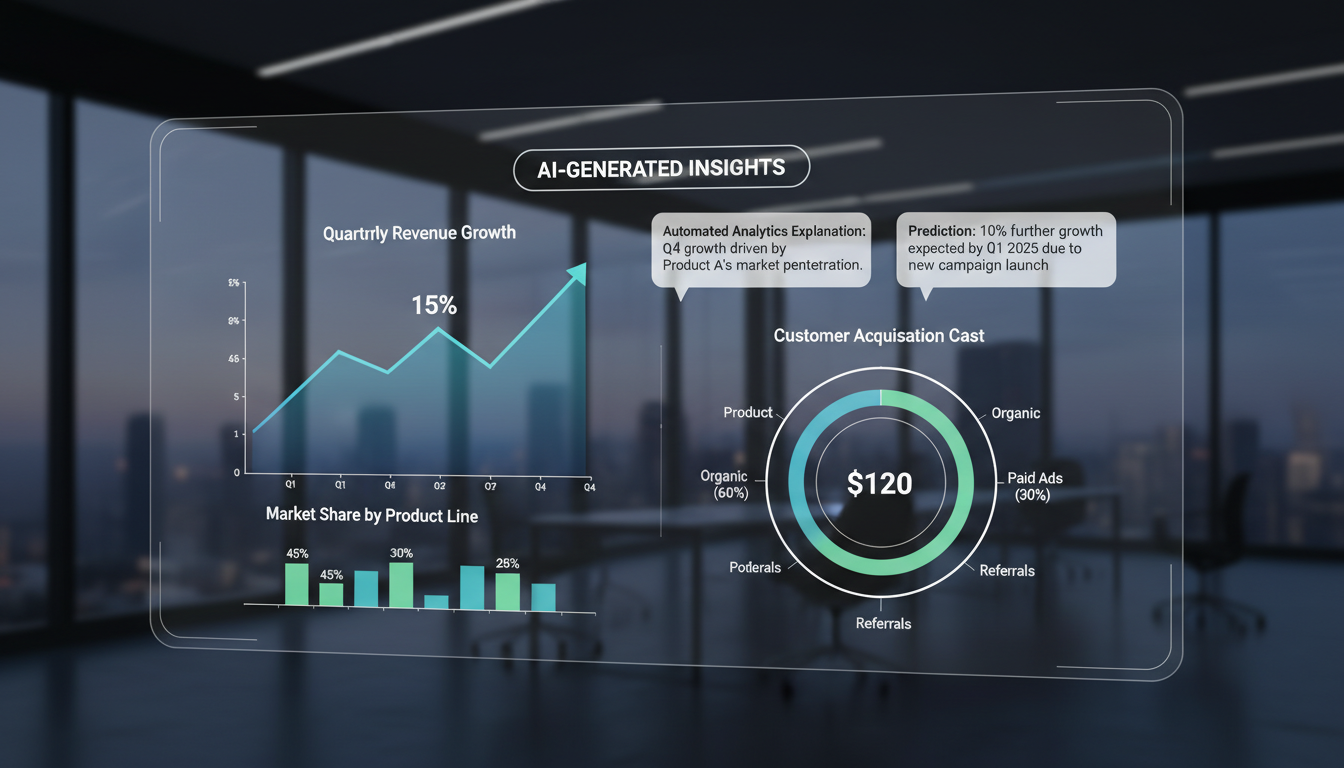
Primary Use: Summarizing datasets, creating charts, explaining trends.
What Worked:
- Quickly generated visual representations and insights.
- Helped avoid manual spreadsheet work.
Limitations:
- Less effective on very large datasets.
Impact: Saved 3–4 hours per week on basic analytics.
10. AI Task Automation Platform (Tool J) — Rating: 9/10
Primary Use: Automating cross-platform workflows and repetitive tasks.
What Worked:
- Connected apps to automate triggers like task creation and notifications.
- Excellent for eliminating manual steps across tools.
Limitations:
- Setup complexity for advanced automations.
Impact: Saved 5–6 hours weekly.
Side-by-Side Comparison
| Tool | Core Function | Hours Saved | Rating |
|---|---|---|---|
| Writing Assistant | Drafting/Editing | 5–7 | 9/10 |
| Scheduling Assistant | Meetings | 3–4 | 8/10 |
| Research Assistant | Summaries | 2–3 | 7/10 |
| Email Manager | Inbox handling | 2 | 6.5/10 |
| Transcription | Audio to text | 3–4 | 8.5/10 |
| Project Management | Task coordination | 2–3 | 7.5/10 |
| Code Assistant | Development support | 3–5 | 8/10 |
| Visual Generator | Creatives | 2 | 7/10 |
| Data Analyzer | Insights and charts | 3–4 | 8/10 |
| Task Automation | Cross-tool workflows | 5–6 | 9/10 |
Key Takeaways
What Actually Saved the Most Time
The AI tools that moved the needle most significantly were those that automated repetitive tasks and handled content generation, specifically:
- Writing Assistant — because writing is a frequent task across roles.
- Task Automation Platform — for eliminating manual steps in daily workflows.
Combined, these two tools alone accounted for roughly 9–13 hours saved weekly.
Where AI Still Needs Human Oversight
AI excels at speed but not always accuracy:
- Research summaries and data insights reduced initial workload but required human verification.
- Email automation saved time only after careful tuning of tone and context.
- Visual generation tools produced usable drafts but needed refinement for professional standards.
Price vs Value
Many tools offered free tiers, but productivity gains were most consistent with paid plans that unlocked advanced features. ROI improved when:
- Team members used tools consistently.
- Workflows were redesigned to incorporate automation rather than “bolt on” to old habits.
Final Thoughts
After 30 days, I consistently saved 20+ hours per week by adopting a combination of AI tools that automated writing, meeting coordination, workflow tasks, and transcription. Not every tool delivered equal value, but the best ones transformed how I work by eliminating repetitive steps and accelerating output quality.
If your goal is not just to experiment with AI but to integrate it meaningfully into your workflow, focus on tools that:
- Automate repetitive workflows end-to-end.
- Support multiple platforms you already use.
- Require minimal manual correction.
With thoughtful integration, AI can truly revolutionize productivity rather than just add another application to your stack.